Gaiwan, Yixing Clay, or Glass? How Your Brewing Vessel Shapes the Cup
Brewing & Storage|Author:祥興茶行|Published:2026-04-12
A side-by-side look at how gaiwans, Yixing clay teapots, and glass tumblers each change the tea in them — and how to pick the one that suits your leaf and your daily routine.
Gaiwan, Yixing Clay, and Glass
Pick the Right Vessel and Good Tea Tastes Better
A brewing vessel does more than hold liquid. It is an active medium that shapes flavor.
Porosity, thermal conductivity, and shape all influence how aroma concentrates, how heat holds, and how quickly the leaf gives up its soluble compounds.
This article works from physical properties toward practical use, unpacking what separates the three mainstream vessels and how to choose between them.
I. The Three Core Vessels
Material is not just a matter of feel in the hand. Each one brings its own thermodynamics and its own capacity to absorb flavor. Understanding those basic personalities is the first step toward brewing with intent.
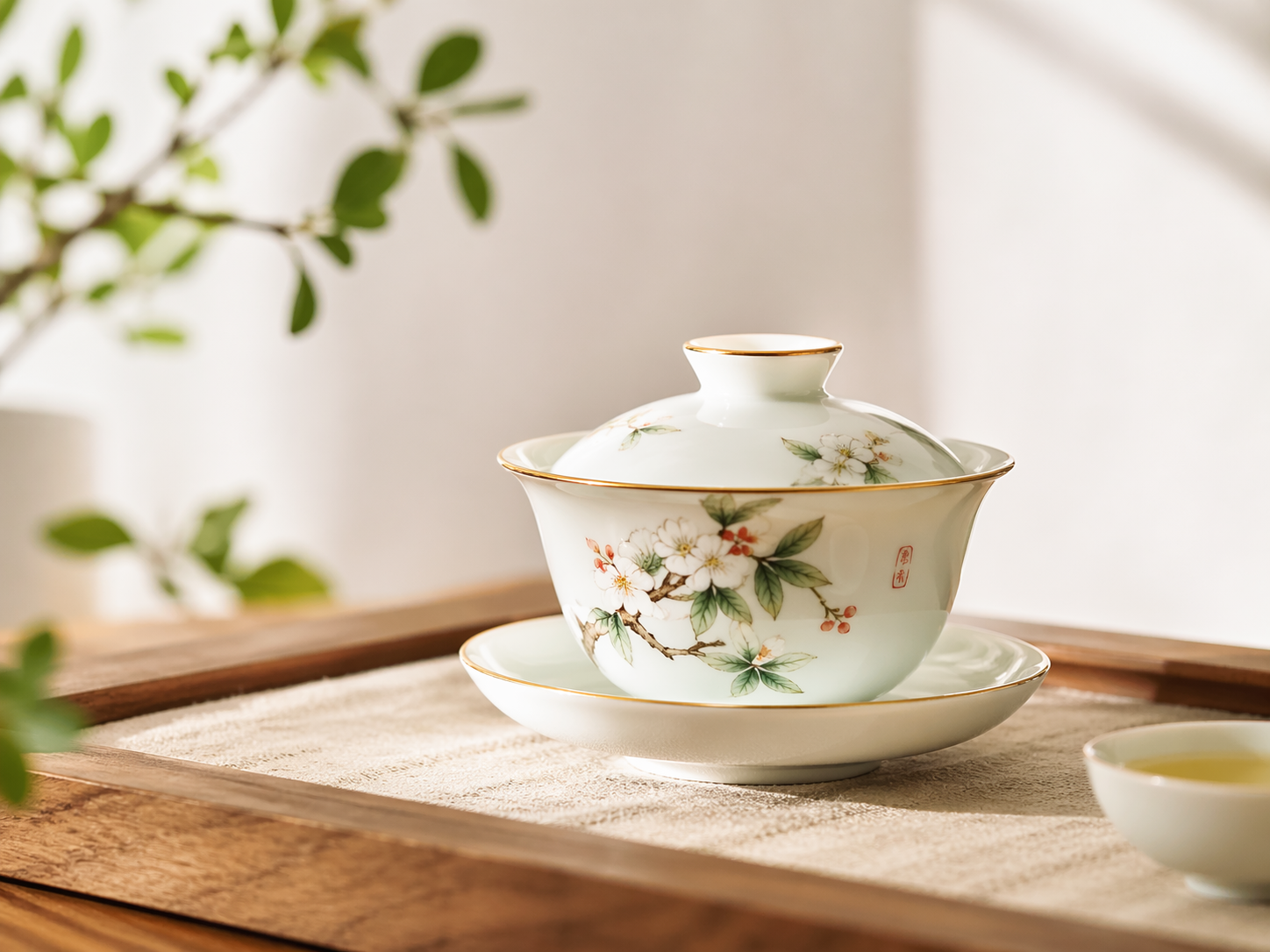
🍵 Gaiwan (蓋碗)
The universal tasting tool / An honest mirror
Glazed porcelain has almost no open pores, so it takes on no flavor of its own. It also sheds heat quickly, which lets the leaf show its aromatics, its structure, and its flaws exactly as they are. That honesty is why the gaiwan is the standard vessel in professional tea evaluation.
Key traits
- Absorbs nothing, so the leaf speaks for itself
- Cools fast, giving you flexible control over pour timing
- Concentrates aroma well, ideal for tracking subtle shifts
Best suited to `white tea` `light-oolong` `aromatic styles` `tasting new tea`
In one line
The gaiwan is a mirror. Nothing shows you the tea itself more clearly.
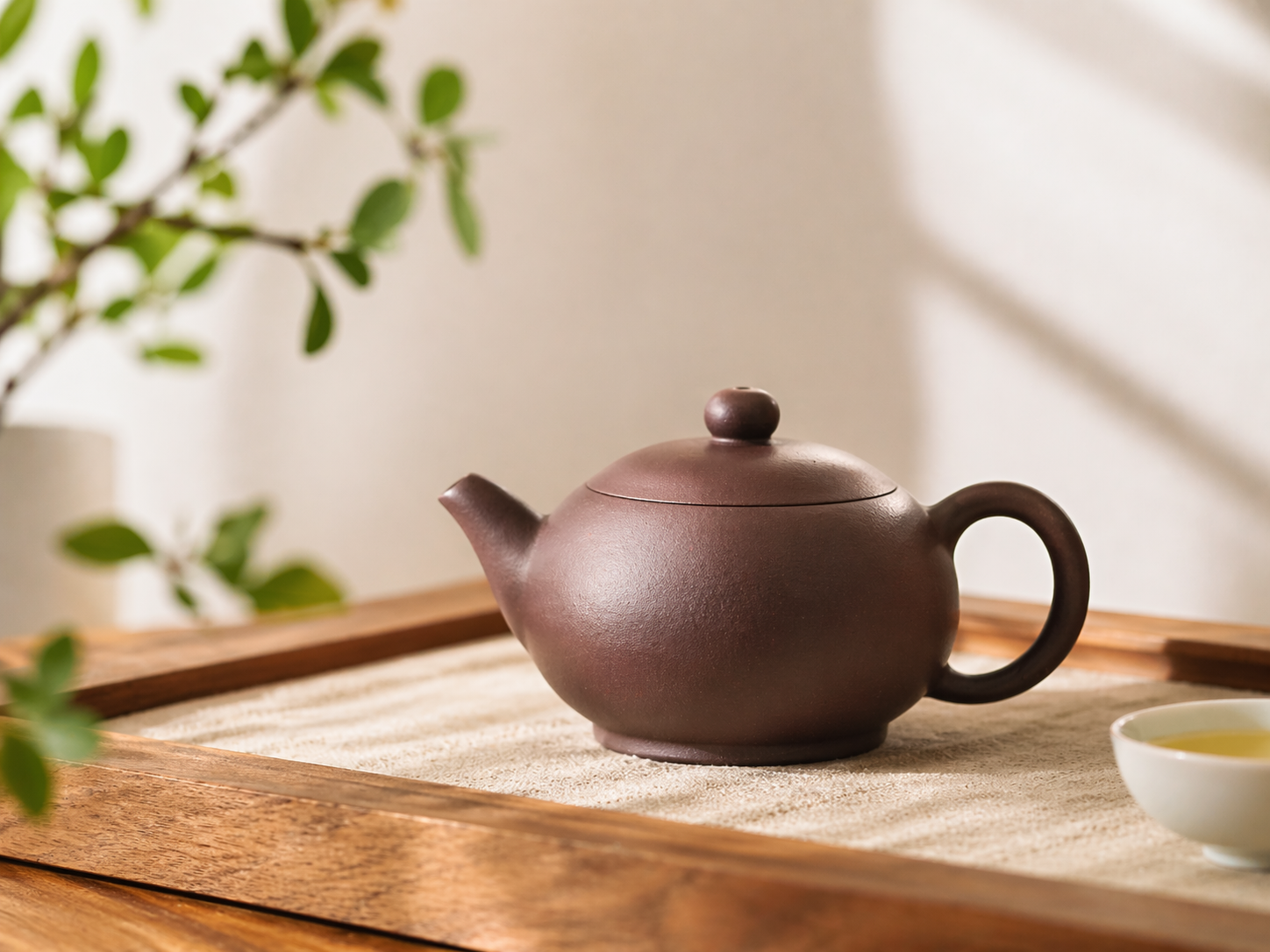
🏺 Yixing Clay Teapot (紫砂壺)
The flavor editor / Holds heat
Yixing clay has a distinctive double-pore structure that insulates and breathes at the same time. It banks heat steadily through the brew and absorbs and edits the liquor to a degree, pushing the mouthfeel toward something rounder, deeper, and more restrained.
Key traits
- Strong heat retention, built for high-temperature brewing
- Absorbent, so it softens rough or off notes
- Rewards seasoning; with long use it builds a flavor memory
Best suited to `roasted oolong` `yancha` `black tea` `puer` `dark tea`
In one line
The Yixing pot is a seasoned sound engineer, making the liquor thicker, softer, more settled.
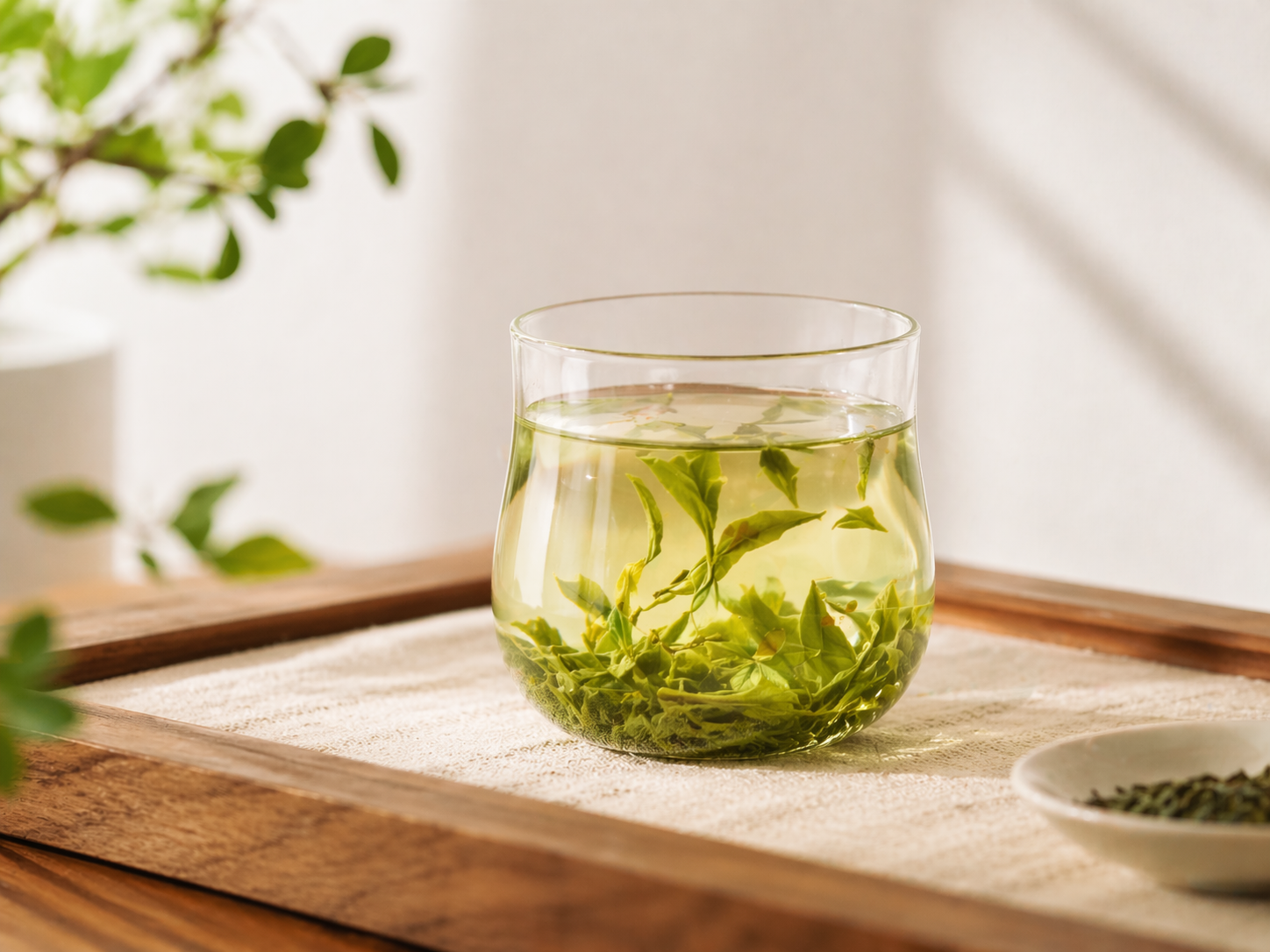
🥛 Glass Tumbler
A visual pleasure / Cools quickly
Glass absorbs nothing at all and loses heat very fast, which keeps delicate leaf from stewing at high temperature. The transparent wall also lets you watch the leaves open, rise, and settle from start to finish — practical and lovely at once.
Key traits
- Zero absorption, clean and pure
- Cools fast, reducing the risk of stewed flavors
- Fully transparent, perfect for watching the leaves dance
Best suited to `green tea` `yellow tea` `scented tea` `tender-bud styles`
In one line
Glass is a stage, putting both leaf and liquor on display.
II. Rating Overall Performance Across Five Dimensions
Judged on heat retention, aromatic expression, visual appeal, flavor shaping, and versatility, each of the three vessels has a very clear strength.
The Short Version
- 🟢 Gaiwan: balanced across the board, with particular strength in aromatics and versatility.
- 🟤 Yixing clay: the best heat retention and the strongest editing effect, made for heavier teas.
- 🔵 Glass: unmatched as a viewing vessel, the ideal stage for fragrant, delicate styles.
Quick read
Want to see the tea as it really is? Reach for the gaiwan.
Want more body and roundness? Reach for Yixing.
Want beauty and freshness together? Reach for glass.
III. Brewing Thermodynamics: The Heat-Loss Curve
Water temperature drives extraction. Because each material conducts and stores heat differently, the temperature inside the vessel behaves differently over the course of a brew.
The chart below tracks the temperature drop over five minutes after pouring 95°C water.
What Each Cooling Profile Is Good For
Slow cooling: the Yixing teapot
Thick, porous walls lock heat in effectively. That suits teas needing sustained high-temperature extraction — aged tea, shou puer, heavily roasted oolong, and yancha.
Moderate cooling: the gaiwan
It sits between shedding heat and holding it. You can adjust pour timing freely to match the tea, it rarely stews the leaf, and it makes shifts in aroma easier to follow.
Fast cooling: the glass tumbler
Heat drops away quickly, which protects the fresh, brisk compounds in tender-leaf teas. That matters most for green and scented teas, which turn dull when held hot for long.
What this chart is really saying
The same 95°C water lands in three different materials, and the leaf experiences three different worlds.
IV. Matching Vessels to the Six Tea Categories
There is no perfect vessel, only the right pairing. As oxidation level, rolling style, and roast change, so does the ideal piece of equipment.
Core Pairing Principles
1. Green and yellow tea → glass first
Leave it uncovered to avoid stewing and yellowing. You keep the brisk, tender sweetness, and you get to watch the leaves unfurl.
2. White tea and light oolong → the gaiwan first
It concentrates aroma without stealing any, so lifted floral notes and clear layering come through faithfully.
3. Roasted oolong, black tea, and dark tea (puer) → the Yixing pot first
Strong heat retention and a pronounced editing effect make it easier to draw out body, aged depth, and a full, generous mouthfeel.
What choosing a vessel really means
The question is not which one costs the most. It is which one understands this particular tea.
V. Going Deeper: The Microscopic Physics of Materials
Plot these materials on two axes — porosity (absorption) against thermal conductivity (heat loss) — and it becomes much clearer why they produce such different results in the cup.
The Flavor Logic Behind the Physics
Porosity determines whether a vessel remembers the tea poured into it. The seasoning effect that develops in a well-used Yixing pot comes straight from that highly porous, absorbent body.
Glass and glazed porcelain, by contrast, absorb virtually nothing, so every infusion stands alone, cleaner and more distinct — which makes them the better tools for reading a tea honestly.
Cooling rate, meanwhile, controls how much the leaf stews. With tender-leaf teas, that single factor often decides whether the fresh, brisk quality survives.
In Closing
Choosing the right vessel is where science meets aesthetics.
The gaiwan's honesty, the Yixing pot's depth, glass and its clarity — none of them ranks above the others. The only real question is what you want this cup of tea to look like.
Once you understand the physics behind the equipment, brewing stops being a habitual gesture and becomes a sharper, more conscious choice.
One last thought
Good tea deserves to be treated well, and the right vessel is how you let it speak.